
Joint venture
What is a tunnelling joint venture?
A tunnelling joint venture is a formal collaboration between two or more companies that combine capital, technical expertise, and operational resources to deliver a specific underground construction programme. Unlike a subcontract or loose strategic alliance, it creates a shared legal and commercial structure in which each party assumes defined responsibilities and shares both risk and return.
In tunnel infrastructure, joint ventures are commonly used for complex projects because they allow companies with complementary strengths — such as TBM capability and NATM ground engineering expertise — to bid together, meet financial and insurance requirements, and distribute programme liability.
Tunneling GLT supports joint venture programmes as an independent technical consulting partner, providing engineering review, geotechnical advice, and construction oversight to help guide informed decisions throughout the project lifecycle.
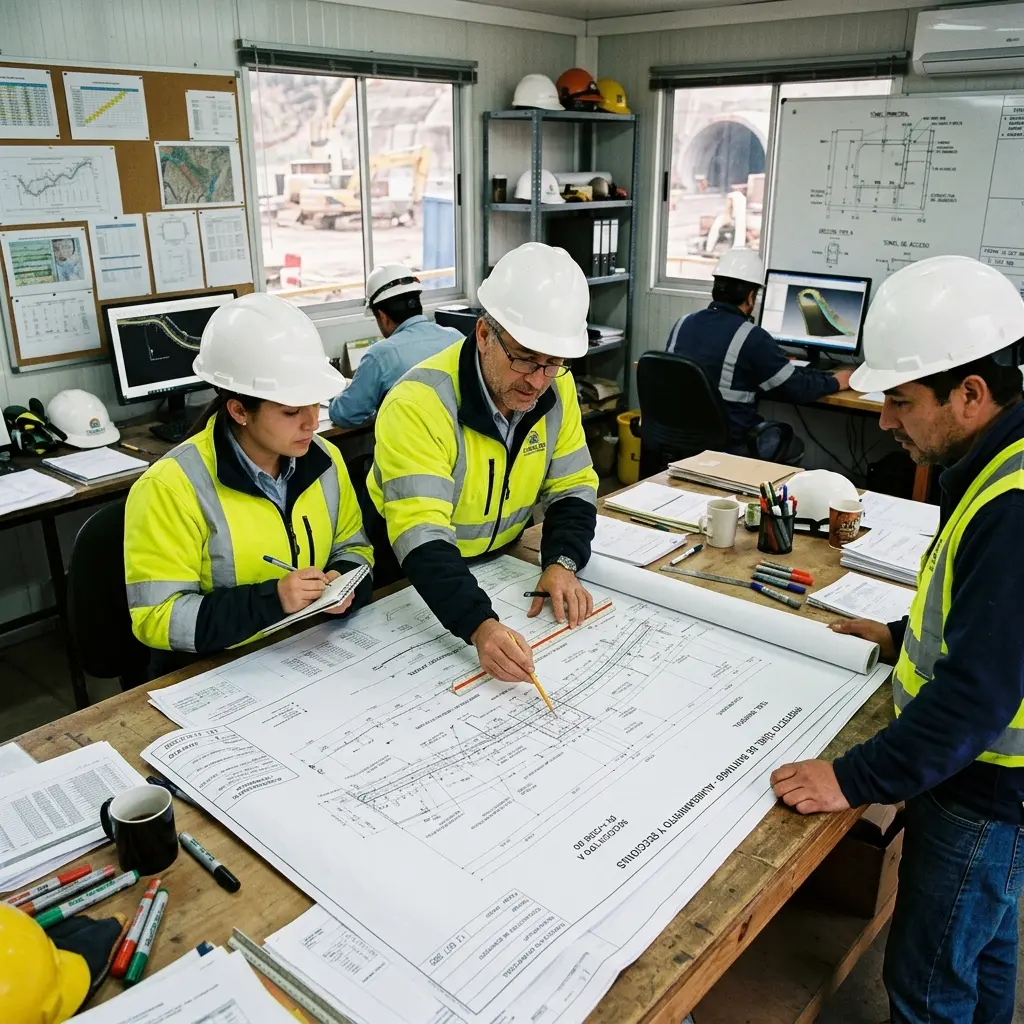
Joint venture technical support services
Tunneling GLT provides specialist technical consulting to joint ventures engaged in underground infrastructure delivery. Our services are structured around the specific engineering and commercial requirements of each collaborative arrangement — from pre-bid technical assessment and geotechnical due diligence through to construction-phase oversight and post-completion review. Each engagement is led by engineers with direct site delivery experience in the relevant tunnelling methods and ground conditions.

Technical due diligence for joint venture formation
Companies entering a tunnelling joint venture commit substantial capital and programme liability before a single metre of ground is excavated. Independent technical due diligence at the formation stage allows each party — and any financial institution providing bonding or project finance — to verify that the proposed construction methodology is sound, that the ground model is adequate, and that the programme allocation of technical risk between the parties is commercially equitable.
Tunneling GLT provides pre-formation due diligence consulting for underground joint ventures, assessing the geotechnical basis of the bid, the compatibility of proposed tunnelling systems with site conditions, and the adequacy of the risk management framework before the agreement is executed.
Geotechnical & ground risk advisory
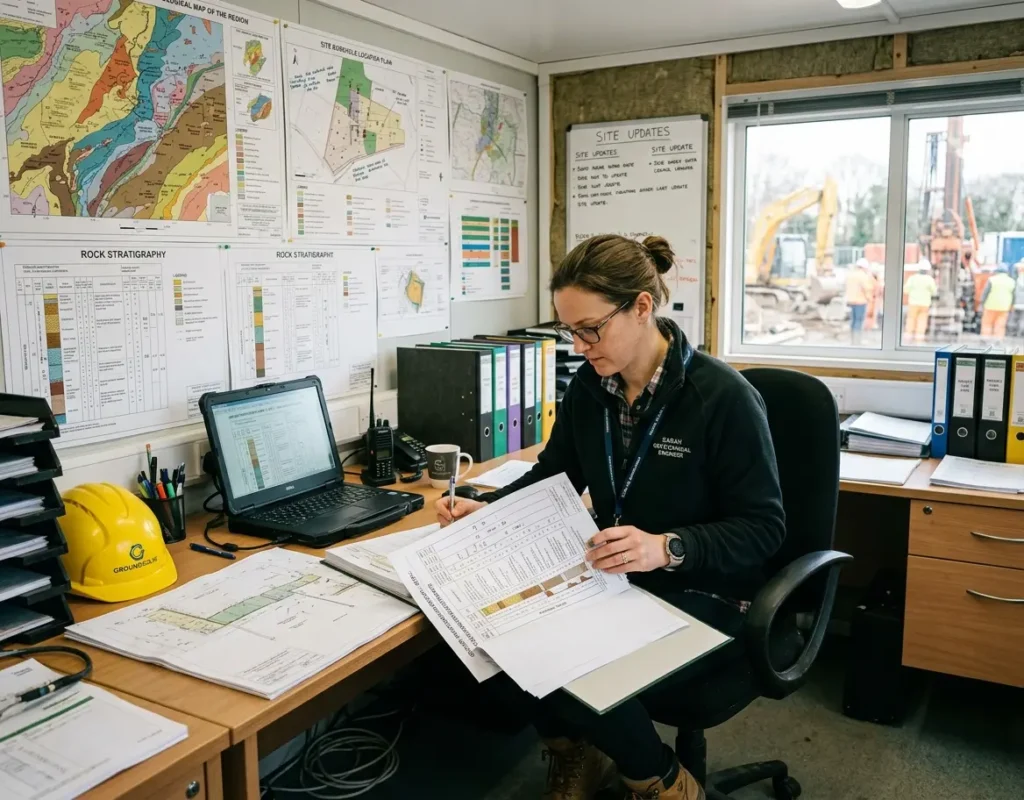
Ground conditions are the primary driver of cost overrun and programme delay in underground construction, and consequently the primary source of commercial dispute between joint venture partners. Establishing a shared, independently verified ground model at the outset of a collaborative arrangement reduces the likelihood of disagreement over risk allocation as construction advances.
Tunneling GLT provides geotechnical consulting services to joint ventures at all programme stages — from ground investigation strategy and ground model development through to face stability assessment and primary support specification review. Our advisory is calibrated to the specific excavation method, tunnel alignment, and the particular risk-sharing structure agreed between the venture parties.
Tunnelling systems & technology assessment
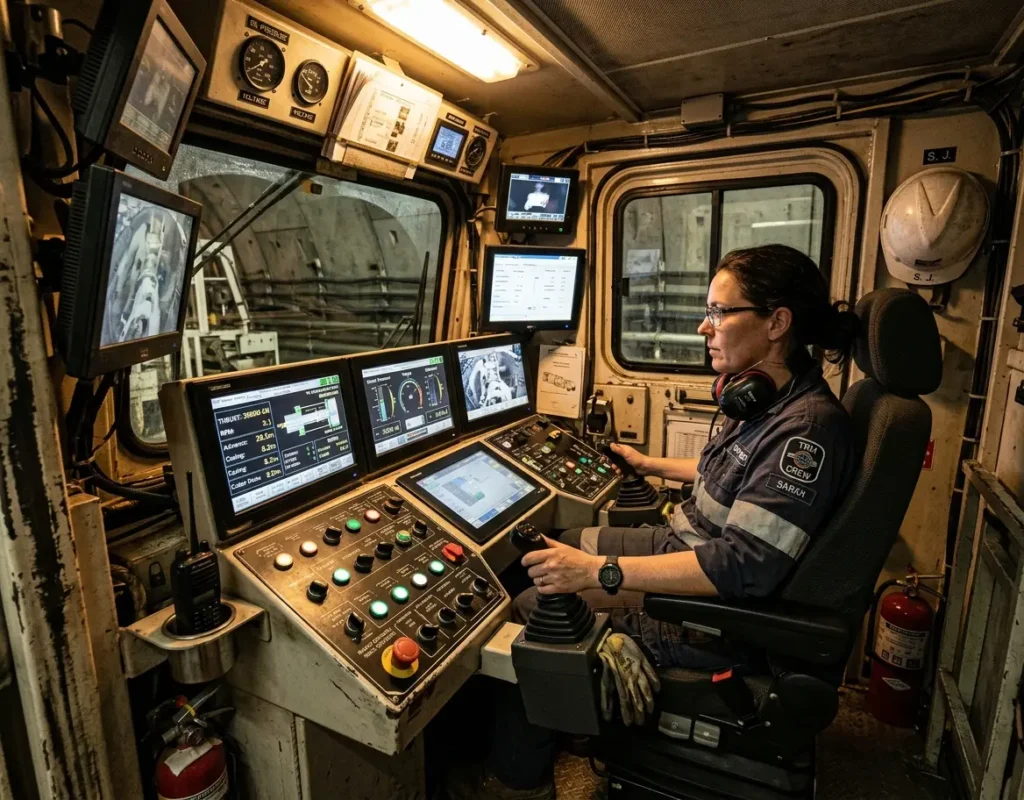
The selection of tunnelling technology is one of the most consequential decisions in a joint venture agreement, as it defines capital expenditure requirements, programme duration, and the technical obligations of each party to the arrangement. Where one party to the venture owns or proposes a specific TBM type, independent assessment of that system’s compatibility with the project ground conditions is essential to a well-structured agreement.
Tunneling GLT provides independent advisory on tunnelling technology selection and systems assessment for joint ventures — evaluating EPB TBM, slurry TBM, open-face shield, NATM, and cut-and-cover methods against the geotechnical data, procurement route, and programme requirements of the specific project.
Construction monitoring & independent oversight
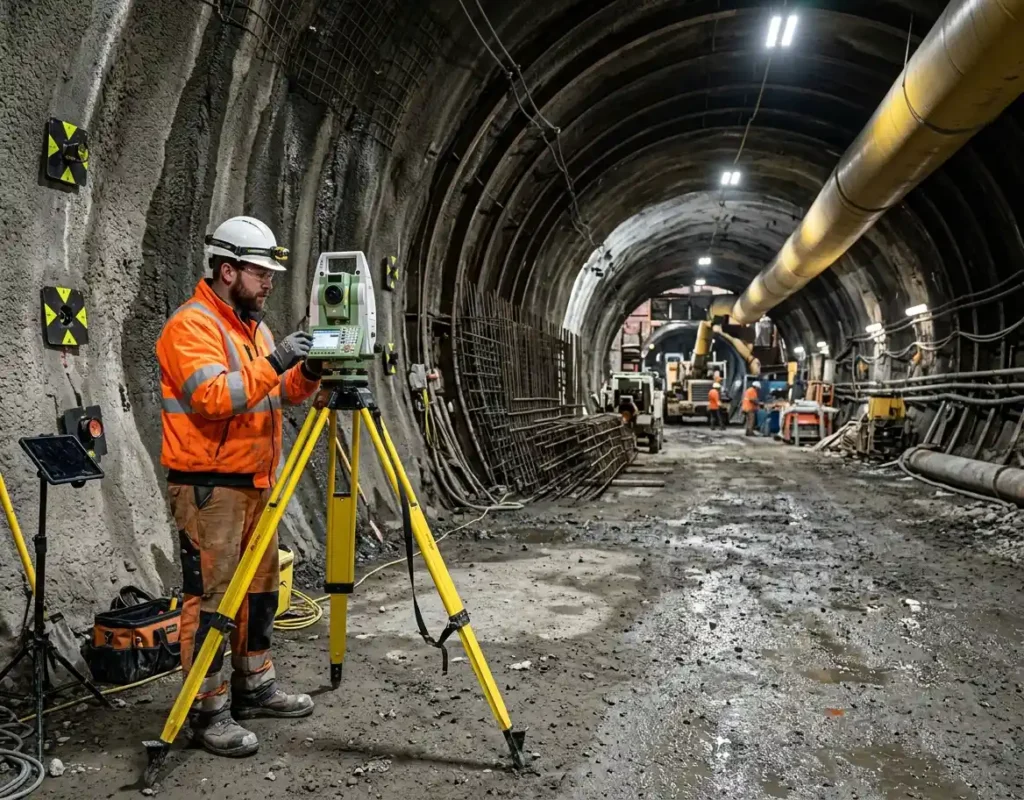
Joint venture agreements frequently require independent technical oversight as a contractual condition — either at the insistence of the employer, a lender, or one of the venture parties themselves. Tunneling GLT provides independent construction monitoring and technical oversight services to joint ventures on live underground programmes, covering excavation monitoring system design and data interpretation, NATM face classification and primary support review, TBM operational performance assessment, and settlement risk management adjacent to existing structures.
Our monitoring services are structured to provide the venture board and its financial stakeholders with an independent view of construction performance throughout the delivery programme.
How Tunneling GLT supports joint ventures
Our technical consulting capability is available to joint ventures across all underground infrastructure sectors and project stages — from pre-bid formation support through to construction-phase oversight and post-completion review.
Pre-bid technical assessmen
Joint venture formation support
Geotechnical due diligence
Tunnelling systems selection
Ground risk allocation advisory
Construction
monitoring
NATM & TBM oversight
Lender's technical review
Dispute & claims support
Trusted by infrastructure investors and engineering firms
Tunneling GLT has provided technical consulting support to joint venture programmes across Europe, Latin America, and international markets. The following reflect the experience of engineering directors, procurement leads, and project finance teams who have engaged our consultants on technically complex underground programmes delivered through collaborative arrangements.

Our two companies were assessing a joint venture bid for a complex urban metro extension. Before signing, we needed an independent review of the ground model and the TBM system proposed by our prospective partner. Tunneling GLT assessed the geotechnical data, identified key ground investigation uncertainties, and provided a structured risk allocation recommendation. The review gave both boards the confidence to proceed on fair and informed terms.

As the financing institution for a major tunnelling joint venture, we required an independent technical monitor throughout the construction period. Tunneling GLT provided monthly construction monitoring reports, reviewed the venture’s NATM monitoring data, and raised two programme-critical technical concerns before they became contractual events. The independent oversight gave our credit committee confidence in the programme’s progress.

support
A ground risk disagreement between our joint venture partners had reached a point where independent technical opinion was required to progress the claim. Tunneling GLT reviewed the geotechnical data, the original ground model, and the as-built conditions, and produced a technical assessment that clearly identified the departure from anticipated ground conditions. The report formed the basis of a successful contractual claim resolved within the programme period.
Ready to structure your underground joint venture?
Whether you are forming a new joint venture, require independent geotechnical due diligence before an agreement is executed, need a lender’s technical monitor for a live underground programme, or require expert support in a ground risk dispute, Tunneling GLT’s engineering team is available to assess your requirements and provide a commercially transparent consulting proposal.
Some related services
Technical and commercial answers to the most common questions about joint ventures in underground construction, joint venture formation, and the role of independent technical consulting in collaborative infrastructure programmes.
What is a joint venture in underground construction?
A joint venture in underground construction is a formal collaborative arrangement between two or more companies that agree to combine their technical, financial, and operational resources to deliver a specific tunnel or underground infrastructure project. The arrangement is typically established as a separate legal entity — a joint venture company — in which each party holds a defined share of the capital and carries a proportionate share of the programme’s commercial risk and reward.
Joint ventures are common in the tunnelling sector because major underground infrastructure programmes frequently exceed the bonding capacity, technical scope, or geographic experience of any single contractor. A joint venture allows companies with complementary capabilities — for example, one party with TBM ownership and another with NATM delivery expertise — to combine their resources and enter bids they could not competitively submit alone.
The terms of the arrangement — including management structure, capital contributions, risk allocation, profit distribution, and dispute resolution mechanisms — are set out in a joint venture agreement executed by the parties before programme commencement.
Why do tunnelling companies form joint ventures?
Tunnelling companies form joint ventures for several reasons, all rooted in the technical and commercial characteristics of major underground infrastructure programmes.
The most common driver is bonding and financial capacity. Large tunnel contracts require performance bonds, parent company guarantees, and project insurance at a scale that exceeds what many individual contractors can provide. A joint venture between two financially substantial companies satisfies these requirements, allowing bids that neither party could finance independently.
The second driver is technical complementarity. Underground programmes often require expertise across multiple tunnelling methods — a metro project may involve TBM-bored running tunnels, NATM cross-passages, and cut-and-cover station boxes. A joint venture between parties with specialist capabilities in each method produces a more technically credible and competitive bid than a single contractor working at the edge of its competency.
The third driver is risk sharing. Ground conditions are the primary source of cost overrun in tunnelling, and the commercial exposure on a major programme can be substantial. A joint venture distributes this exposure across the partners, making the programme financially manageable for each.
Finally, in certain markets and jurisdictions, joint ventures between an international contractor and a local company are a regulatory or contractual requirement — providing the international firm with market access and the local partner with technical capability transfer.
What legal structure does a tunnelling joint venture take?
Tunnelling joint ventures can take several legal forms depending on the jurisdiction, the scale of the programme, and the preferences of the parties. The most common structures are:
Incorporated joint venture (limited company): The parties establish a new, separate legal entity — typically a limited company — in which each holds shares proportionate to their investment and risk participation. This structure offers limited liability to each party and creates a distinct legal entity capable of entering into contracts, owning assets, and employing personnel directly.
Unincorporated joint venture: The parties operate under a joint venture agreement without forming a new company, sharing programme obligations directly between them. This structure is faster to establish and avoids the administrative burden of a separate corporate entity, but it does not provide limited liability to the parties.
Consortium arrangement: In some jurisdictions and contract frameworks, the parties form a consortium — a contractual arrangement for the purpose of a specific tender — which may later be formalised into an incorporated entity upon award.
The choice of legal structure has direct implications for tax treatment, liability allocation, the rights of third parties including subcontractors and lenders, and the exit provisions available to each party. Independent legal and financial advice specific to the jurisdiction of the programme is essential before executing a joint venture agreement.
Tunneling GLT provides technical consulting input to joint venture formation processes — we do not provide legal or financial advisory services, but we work alongside the legal and financial advisers engaged by the parties to ensure that the technical risk allocation reflected in the agreement is consistent with the ground conditions and construction methodology of the programme.
What is technical due diligence for a tunnelling joint venture and when is it required?
Technical due diligence for a tunnelling joint venture is an independent engineering assessment conducted before the joint venture agreement is executed or before financial close on the programme. Its purpose is to verify that the technical basis on which the venture is being formed — the ground model, the proposed tunnelling methodology, the programme assumptions, and the risk allocation between the parties — is sound and commercially equitable.
Due diligence is most commonly instructed by:
- One of the venture parties, who wishes to independently verify the technical claims or asset value contributed by the other party before executing the agreement.
- A financial institution — bank, infrastructure fund, or bond underwriter — that requires an independent technical monitor as a condition of financing or bonding support.
- An infrastructure owner or employer who wishes to verify the technical competency of the joint venture bidding for their programme before award.
A technical due diligence review for a tunnelling joint venture typically covers: the adequacy of the ground investigation data and ground model; the appropriateness of the tunnelling technology proposed; the realism of the programme schedule and cost plan; the competency and track record of the parties and their proposed key personnel; the adequacy of the risk management and monitoring framework; and the identification of technical risks that may affect programme cost, schedule, or performance.
Tunneling GLT provides structured technical due diligence reports for tunnelling joint ventures, produced by engineers with direct underground construction delivery experience in the relevant methods and ground conditions.
What ground risk issues arise in tunnelling joint ventures and how are they managed?
Ground risk is the most significant technical and commercial risk in any tunnelling programme, and it is frequently the source of dispute between joint venture partners — particularly where the parties have agreed a risk allocation that proves inadequate when actual ground conditions differ from those anticipated at the time of contracting.
The key ground risk issues in tunnelling joint ventures include:
Unforeseen ground conditions: Where actual ground conditions encountered during excavation differ materially from those described in the ground investigation data provided at tender, the joint venture may have a contractual entitlement to additional compensation from the employer. Managing this claim requires contemporaneous technical documentation of the departure from anticipated conditions and expert geotechnical assessment.
Inter-party risk allocation: Joint venture agreements must clearly define how ground risk is allocated between the venture parties — including which party is responsible for geotechnical decisions during construction, how additional costs arising from unforeseen conditions are shared, and what triggers a formal technical review or programme adjustment.
Monitoring and trigger management: An inadequate tunnel excavation monitoring system — or one whose data is not actively interpreted by experienced engineers — can allow ground behaviour to develop beyond acceptable limits before the venture board receives a technical alert. Independent monitoring consulting reduces this risk.
Tunneling GLT provides geotechnical risk consulting, monitoring scheme design and interpretation, and technical support for ground risk claims to joint ventures engaged in live underground programmes.
Can a tunnelling joint venture take the form of an international partnership?
Yes. International tunnelling joint ventures — arrangements between companies based in different countries — are a well-established structure in the global underground infrastructure market. They are particularly common in markets where public procurement regulations require or incentivise the involvement of a local company, and in large-scale programmes where the technical scope or financial exposure requires partners from multiple jurisdictions.
International joint ventures introduce specific technical and commercial considerations that do not arise in domestic arrangements: differences in construction practice and safety standards between the parties’ home jurisdictions, currency and repatriation risk, differences in legal systems governing the agreement, and the management of cross-border supply chains and equipment import.
From a technical consulting perspective, Tunneling GLT’s engagement in international joint venture programmes focuses on ensuring that the engineering and geotechnical standards applied to the programme are appropriate to the specific project environment — independent of the differing construction traditions of the venture parties.
What is the role of a technical consultant in an underground joint venture?
A technical consultant in an underground joint venture occupies an independent advisory position, distinct from both the venture parties and the project employer. Their role is to provide objective, evidence-based technical assessment that protects the interests of the client instructing them — which may be one of the venture parties, the employer, a lender, or a bonding institution.
The specific scope of a technical consultant’s role depends on the stage of the programme and the client’s requirements. At the formation stage, this typically involves due diligence on the technical basis of the agreement and the ground risk allocation. During construction, it involves independent monitoring and oversight. In the event of a dispute or claim, it involves expert technical review and, where required, the production of evidence for formal dispute resolution.
The critical characteristic of an independent technical consultant is the absence of any commercial interest in the outcome of the programme. A consultant who is also a subcontractor to the venture, who holds a financial stake in the project, or who has a prior relationship with one of the parties cannot provide truly independent advice.
Tunneling GLT provides technical consulting to underground joint ventures on a strictly independent basis. Our fee structure is transparent and fixed at the time of engagement, and we do not accept any financial interest in the programmes on which we advise.
How are tunnelling joint venture consulting engagements structured and priced?
Tunneling GLT structures joint venture consulting engagements according to the nature and scope of the technical question, the stage of the programme, and the volume of documentation and site information available for review.
Pre-formation due diligence and technical reviews are typically scoped and priced on a fixed-fee basis following an initial assessment of the documents to be reviewed and the specific questions to be addressed. These engagements have a defined scope, a clear deliverable, and a fixed cost — providing certainty to the client instructing the work.
Construction-period monitoring and oversight engagements are structured on a time and resource basis with agreed reporting milestones — typically monthly technical monitoring reports, supplemented by site visits at programme intervals agreed with the client.
Dispute and claims support engagements are structured depending on the nature of the dispute, the volume of technical documentation to be reviewed, and whether the engagement may extend to formal expert witness assignment.
In all cases, Tunneling GLT provides a commercially transparent proposal following an initial review of the programme information and a discussion of the client’s specific requirements. We do not charge for the initial scoping discussion.
What is a lender's technical review in the context of a tunnelling joint venture?
A lender’s technical review — sometimes referred to as an independent technical monitor or technical advisor to the lender — is an independent engineering assessment commissioned by a financial institution providing funding, bonding, or guarantee support to an underground construction programme delivered by a joint venture.
Financial institutions providing project finance or performance bonds for tunnelling programmes require independent confirmation that the technical basis of the programme is sound, that construction progress is consistent with the programme plan, and that technical risks are being managed within the parameters agreed at financial close. A lender’s technical monitor provides this confirmation through a structured programme of document review, site visits, and periodic reporting.
The lender’s technical review is distinct from the employer’s engineering supervision and from any technical oversight performed by the venture parties on their own account. Its function is to protect the lender’s commercial interest by providing early warning of technical issues that may affect the programme’s ability to complete within cost and schedule.
Tunneling GLT provides lender’s technical review services for underground construction programmes, including those delivered by joint venture arrangements. Our reports are structured to address the specific risk parameters of the financing institution and are produced by engineers with direct construction delivery experience in the relevant tunnelling methods.